September 24, 2026
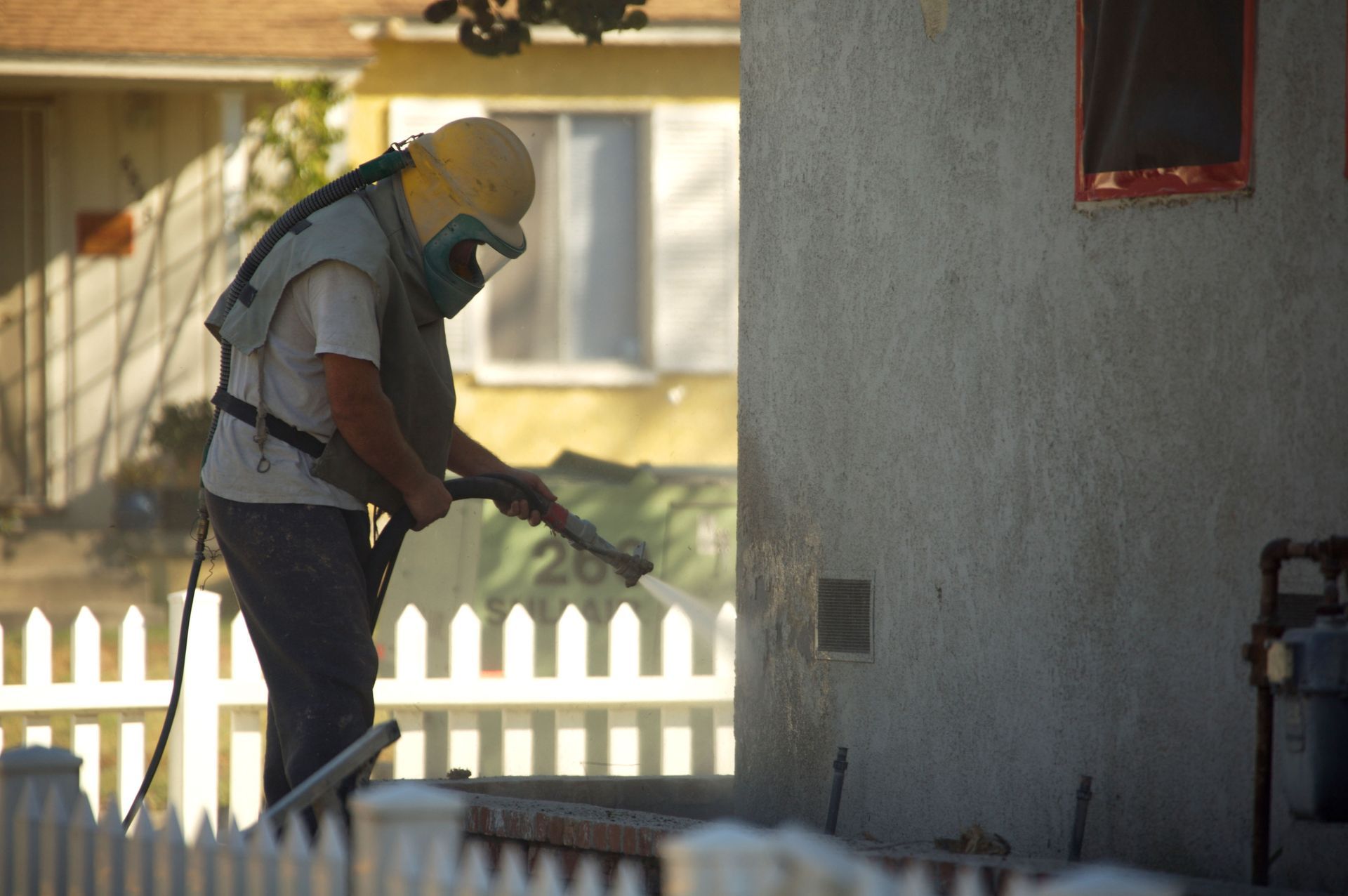
Sandblasting is a powerful and effective technique for cleaning and restoring surfaces. While some may consider undertaking this task themselves, entrusting it to professionals guarantees not only better results but also assured safety. Hiring trained sandblasters guarantees your project is completed with absolute precision, protecting your property's value while keeping everyone safe throughout the entire process.
Understand the Basics of Surface Restoration
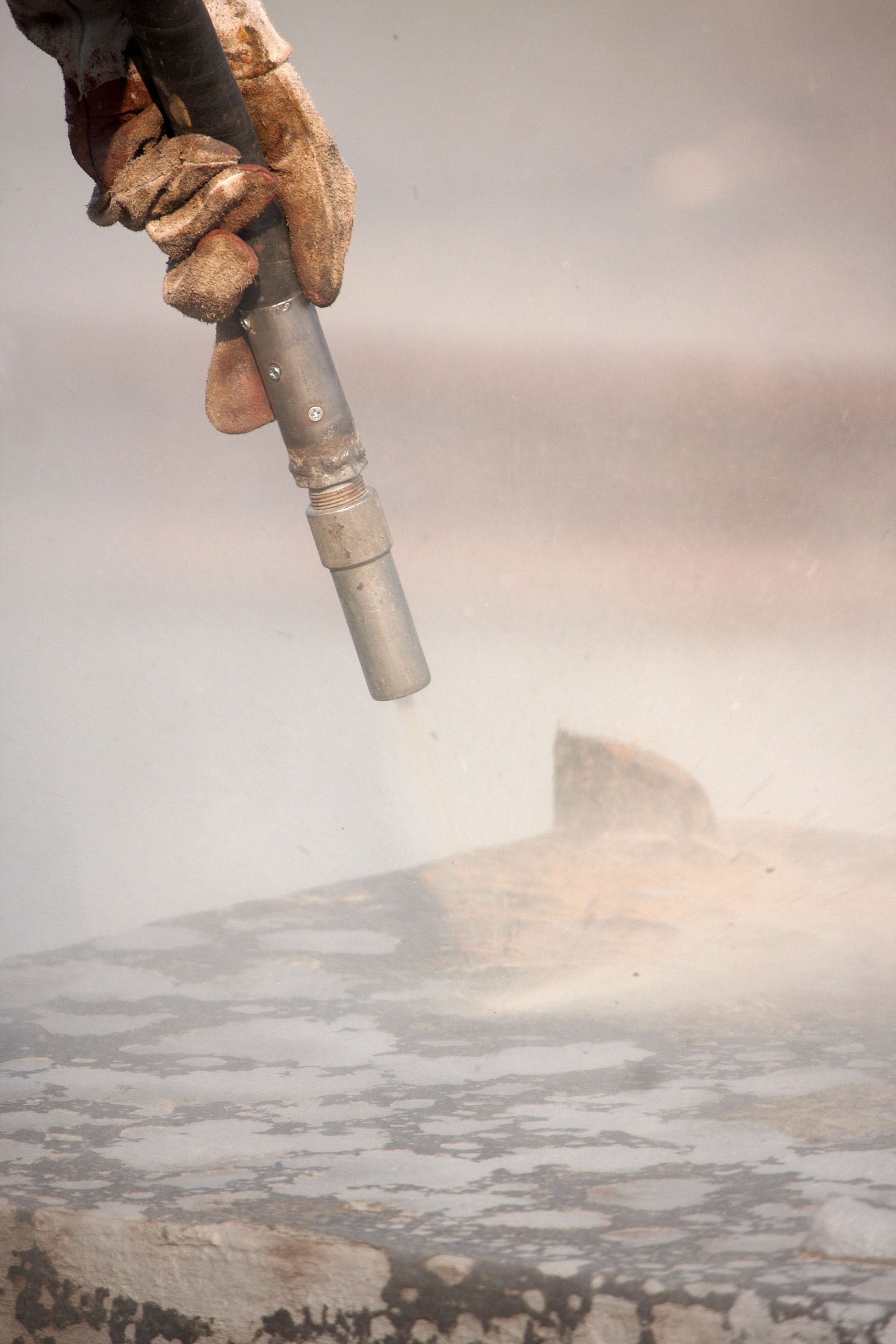
The approach taken to restore a surface encompasses a range of techniques that cater to different surface needs. Dry and wet methods are the two primary choices available, each serving distinct purposes. Dry methods utilize air pressure to propel abrasive materials onto surfaces, effectively removing contaminants and rust. On the other hand, wet techniques introduce water into the mix, reducing dust and providing a smoother finish. According to research conducted by International Surface Technologies, original wet sandblasting machinery was first engineered back in the 1940s, revolutionizing the approach to surface cleaning.
Whether choosing dry or wet cleaning, the method employed depends greatly on the material of the surface and the intended outcome. Professional sandblasters assess the condition and requirements of each specific project to decide on the most suitable method. This level of expertise is essential as an inappropriate choice can lead to surface damage or insufficient cleaning. Moreover, the variety of restoration methods available allows for specialized approaches, such as bead blasting or soda blasting, for sensitive or delicate surfaces.
Skilled operators are equipped with the knowledge of how each technique impacts various materials, ensuring effective results. Awareness of the pressure dynamics and abrasive options available is crucial to maintaining surface integrity. Homeowners and inexperienced individuals may not possess the necessary understanding or experience to make these informed decisions. Incorrect application of these techniques can lead to pitting, warping, or overall degradation of the material.
Evaluate Which Surfaces Suit the Process
Abrasive cleaning is versatile and can be applied to different surface types, yet it is crucial to understand which surfaces can withstand the process. It is commonly used for cleaning metal surfaces of rust, paint, or residue, providing them with a renewed appearance. Experts frequently apply these methods to brick or concrete surfaces in need of restoration or graffiti removal. Wood surfaces, while possible candidates for this treatment, require a delicate touch and low-pressure settings to avoid excessive damage. The choice of a suitable surface strongly depends on the material composition and the desired effect.
Trained sandblasters are adept at evaluating surfaces to determine their capability to endure aggressive cleaning. There are quantifiable assessments, such as pencil hardness tests and adhesion tests, which experts use to decide on treating particular surfaces. Such technical evaluations ensure that the procedure enhances rather than harms the surface condition. Additionally, these assessments steer the decision on using appropriate abrasive materials to match surface resilience. Trusting professionals to make these difficult yet crucial determinations offers assurance that the task will be conducted with effectiveness and precision.
Select the Right Media for the Job
The choice of grit material plays a vital role in the overall effectiveness of the restoration, impacting both the cleaning process and surface finish. Grit materials vary greatly, ranging from standard sand and soda to more sophisticated options like steel grit and glass beads. Each type offers distinct benefits for specific applications; for example, glass beads are commonly used for finishing surfaces without damaging fine details. Moreover, the size and hardness of the grit material must be appropriately matched to the surface to avoid unwanted abrasions or insufficient results. Certified sandblasters possess the insight needed to choose the appropriate grit material for each unique project.
The suitability of particular grit material depends on its abrasiveness and the surface's desired texture. Experienced professionals can ascertain the perfect balance between removing undesired coatings and preserving the integrity of the underlying material. For instance, finer grits may be employed when minimal material removal is necessary, whereas coarser grits work well for extensive paint stripping. It is critical to comprehend how the aggressiveness of each grit affects surfaces during blasting, and a lack of this knowledge can lead to disastrously uneven surfaces.
Additionally, the environmental implications of grit material types must be considered, as certain abrasive materials can pose health or ecological risks. Skilled sandblasters not only select the right type but also utilize these grit materials with care to minimize waste and adhere to environmental standards. They are adept at using recycled or sustainable abrasive options, balancing effectiveness with environmental consciousness. This knowledge and expertise in grit material selection and application further signify the importance of confiding in professional contractors. A well-informed choice of media enhances the overall quality and outcome of the entire procedure.
Recognize the Hazards of Misapplied Techniques
When abrasive cleaning is pursued using incorrect methods, it is fraught with potential dangers and undesirable repercussions. The high-pressure technique, although effective, can be extremely harmful if mishandled due to its aggressive nature. Misjudging the pressure, angle, or duration can lead to damage that ranges from minor scratches to major structural weaknesses in the target surface. Non-professional attempts often result in overlooked subtleties that can destroy or diminish the visual appeal of the item being treated. Additionally, the accumulation of misapplied techniques over multiple areas can cause irreparable harm.
Experienced sandblasters possess the requisite training and experience to avoid these pitfalls and deliver refined results consistently. They understand the nuances of pressure and duration and frequently calibrate their machinery accordingly for optimal surface treatment. By constantly engaging with project-specific parameters, they prevent common errors prevalent in amateur attempts. Furthermore, specialists are skilled at making adjustments in real-time, which helps them address potential issues swiftly. Taking such precautionary steps underscores the importance of entrusting critical tasks to individuals who are certified and knowledgeable.
Utilize Advanced Machinery for Superior Results
The evolution of surface preparation technology over time has significantly increased efficiency and safety for commercial contractors. Modern equipment, comprising adjustable nozzles, digital control systems, and environmentally friendly options, helps perfect the precision of cleaning procedures. Professional teams are skilled in these advanced technologies, leveraging them to deliver high-quality finishes that amateur techniques fall short of achieving. Incorporating such progressive tools requires an acute understanding of both the apparatuses and their settings. Training on the use of these advanced machines provides professionals with the edge needed to enhance both outcomes and safety.
Advancements have also influenced the development of multi-functional cleaning units capable of executing numerous strategies from grit blasting to vapor blasting. Professional sandblasters trained in these multi-faceted units can efficiently switch techniques depending on the task's requirements, thus increasing productivity. Additionally, modern equipment boasts improved dust suppression systems, reducing airborne pollutants while enhancing worker safety and surrounding air quality. Technology continually shapes the restoration industry, equipping experts with tools to deliver superior and ecologically mindful outcomes.
Master Complex Equipment Operations Safely
Restoration work requires precision handling of complex machinery to ensure reliability and consistency in performance. Understanding machine components, nozzles, and compressor settings is crucial for effective penetration and use of media. Professionals hone their operational skills to access the full scope of equipment capabilities, streamlining work and safeguarding device longevity. Given their familiarity with equipment intricacies, experts can troubleshoot and resolve operational concerns efficiently, minimizing downtime or vulnerability to costly irreversible errors. Their adeptness fosters increased productivity and ensures consistent delivery of outstanding outcomes.
Mastery of specialized equipment involves aligning operational capabilities with specific project requirements. Adapting machine pressure or choosing specific suction methods demands familiarity imbued through extensive practice and field testing. Dedicated sandblasters consistently maintain and clean equipment to avoid mishaps that can arise from ill-equipped machinery. Regular evaluations of functionality maintain equipment readiness, preserving quality and delivering tangible success across a wide variety of projects. Subpar handling from unskilled operators threatens potential success due to unknown limitations of equipment use.
The vigilance and attention to detail observed by professional teams protect them from potential contamination while securing environmental integrity. Their commitment to fostering a safe working environment shields everyone present from potential harm, guaranteeing that the job meets every safety standard. Choosing qualified experts for your surface cleaning ensures that the job is done cleanly, efficiently, and without unnecessary danger. When you are ready to renew your residential, commercial, or industrial surfaces without stress or risk, trust the experienced team at Legacy Painting and Sandblasting to deliver exceptional craftsmanship from start to finish.